
Southeast Asia Water Purifier Market: Philippines, Malaysia, Vietnam, Thailand and Indonesia Compared
Quick answer: The Southeast Asia water purifier market is growing in all five major economies, but each country rewards a different product and go-to-market strategy. Indonesia is the largest market by population and is shifting from refill-gallon water to home purification. Vietnam is a mature, price-competitive reverse osmosis (RO) market. Thailand favors purifiers and dispensers that improve taste and convenience in urban households. Malaysia has the highest purifier penetration and a strong rental and subscription culture. The Philippines combines rapid urban growth, widespread water refilling stations and high demand for RO and hot-and-cold purifier dispensers. Brands and distributors that adapt product specifications, certification, pricing and filter-service models to each country perform better than those that launch one regional product unchanged.
How this comparison is built: this guide compares the five markets on the factors that decide product-market fit for B2B buyers: water conditions, consumer habits, preferred technologies, sales channels, regulation and certification, electrical and installation requirements, price positioning and after-sales models. Country-specific background is available in the OLANSI market notes for Indonesia, Malaysia, Thailand and the Philippines.
Why is the Southeast Asia water purifier market growing?
The Southeast Asia water purifier market is growing because urbanization, rising household income, concerns about tap water quality and the cost of bottled and refill water push households toward point-of-use purification. In many cities, municipal water is treated at the plant but can pick up sediment, rust, chlorine taste or microbial contamination in ageing distribution pipes and building storage tanks. Consumers therefore treat water at home rather than drink directly from the tap, and a purifier becomes cheaper per liter than bottled water within months.
Market research firms publish very different size estimates for the region because they define the category differently, but most agree on growth in the high single to low double digits per year. Point-of-use systems installed under the sink, on the countertop or as floor-standing dispensers account for most residential sales, and reverse osmosis is the largest purification technology. Offices, schools, restaurants and small businesses form a second growth segment, especially for bottleless hot-and-cold water dispensers that replace delivered water bottles.
How do the five markets compare at a glance?
The five largest Southeast Asian water purifier markets differ in size, maturity and buying behavior. The table below summarizes the main differences that affect product planning and distribution.
| Factor | Indonesia | Vietnam | Thailand | Malaysia | Philippines |
|---|---|---|---|---|---|
| Population (approx.) | ~280 million | ~100 million | ~70 million | ~34 million | ~115 million |
| Market maturity | Early, fast growth | Mature, competitive | Developing, urban-led | Most mature | Developing, fast growth |
| Main alternative to purifiers | Refill gallons (depot water) | Bottled and boiled water | Bottled water and vending | Tap water with basic filters | Water refilling stations |
| Dominant technology | RO, UF and dispensers | RO cabinet and under-sink | RO and UF countertop | Multi-stage, RO, alkaline | RO and hot-and-cold dispensers |
| Key sales model | Retail, e-commerce, dealers | Retail chains, e-commerce | Retail, modern trade, e-commerce | Rental, subscription, direct sales | Dealers, e-commerce, refill operators |
| Grid voltage / frequency | 230 V / 50 Hz | 220 V / 50 Hz | 220–230 V / 50 Hz | 240 V / 50 Hz | 220–230 V / 60 Hz |
| Typical plug type | C / F | A / C | A / B / C / O | G | A / B / C |
The table shows why a single regional SKU rarely works. Voltage, frequency and plug differences alone require at least two or three electrical variants, and the strongest competing alternative, whether refill water, bottled water or an existing filter, changes how the purifier must be positioned and priced.
What makes the Indonesia water purifier market different?
The Indonesia water purifier market is different because most urban households still drink water from 19-liter refill gallons supplied by local depots or branded bottled water, so the purifier competes against a very cheap and habitual alternative. Piped water coverage is incomplete, many homes use groundwater from wells, and water quality varies widely between islands and cities. Products that handle high turbidity, iron, manganese and variable pressure perform better than products designed for clean municipal water.
The strongest opportunities in Indonesia are hot-and-cold water dispensers with built-in filtration that replace gallon dispensers, RO and ultrafiltration purifiers for middle-income urban homes, and point-of-entry pre-filters for well water. Regulatory planning is essential: SNI requirements apply to many electrical appliances, product registration and labeling rules must be followed, and Indonesia’s halal product assurance law is being phased in for many goods. Brands should confirm early whether halal certification applies to water-contact components and consumables in their category, because certification timelines can be long. Background on the market is available in the Indonesia water purifier markets analysis.
What makes the Vietnam water purifier market different?
The Vietnam water purifier market is different because it is one of the most mature RO markets in the region, with high consumer awareness and intense price competition from established domestic brands. Vietnamese households commonly buy floor-standing cabinet RO purifiers or under-sink RO systems with many filter stages, and they compare products on the number of stages, mineral or alkaline cartridges, hot-and-cold functions and the price of replacement filters.
A new supplier entering Vietnam needs a clear differentiator rather than a lower price. Opportunities include tankless high-flow RO purifiers, compact countertop RO units for apartments, purifiers with smart filter-life monitoring, and commercial units for offices, schools and restaurants. Water quality varies between the river-delta north, where arsenic and ammonium can affect groundwater, and the south, where salinity intrusion affects some areas, so filter configurations should be tested against local water. Earlier OLANSI articles on water purifiers in Vietnam describe local product types.
What makes the Thailand water purifier market different?
The Thailand water purifier market is different because municipal water in major cities is treated to drinking standards, yet most consumers still avoid drinking tap water because of taste, odor and concerns about building tanks and pipes. Thai households therefore buy purifiers mainly to improve taste and convenience and to reduce spending on bottled water. Water vending machines in residential areas and bottled water deliveries are the main alternatives.
Products that succeed in Thailand are compact countertop and under-sink purifiers, UF systems for areas with good source water, RO systems for areas with hard or brackish water, and hot-and-cold purifier dispensers for homes and offices. Design, color and kitchen fit matter in the urban segment. The Thai Industrial Standards Institute (TISI) sets mandatory standards for many electrical appliances, so electrical models should be checked for TISI requirements before import. OLANSI’s Thailand market note explains local drinking water habits.
What makes the Malaysia water purifier market different?
The Malaysia water purifier market is different because it is the most mature in the region, with high household penetration and a strong culture of renting purifiers with regular filter replacement and servicing included. Many Malaysian consumers are familiar with multi-stage filtration, alkaline and mineral water, hot-and-cold dispensers and tankless instant-hot purifiers, and they expect a professional service visit for filter changes.
For B2B buyers, this means the business model matters as much as the product. Rental and direct-sales companies need durable units designed for frequent filter changes, standardized cartridges, traceable serial numbers and reliable parts supply over several years. Malaysia uses 240 V with type G plugs, and electrical products that fall under the regulated list require approval from the national energy regulator. The Malaysia market note and the guide to tankless water purifiers in Malaysia provide more background.
What makes the Philippines water purifier market different?
The Philippines water purifier market is different because water refilling stations are a dominant and inexpensive drinking water source, while municipal water quality and supply reliability vary widely between Metro Manila, other cities and provinces. Many households buy purified water in 5-gallon containers from refilling stations, so a home purifier must offer clear savings and convenience. Frequent brownouts and pressure fluctuations in some areas favor products that tolerate interrupted supply.
Opportunities in the Philippines include RO purifiers for homes with variable water quality, bottleless hot-and-cold dispensers for offices and homes that currently use gallon dispensers, and commercial RO systems for refilling station operators, restaurants and small businesses. The Philippines uses 60 Hz power, unlike the other four markets, so compressors, pumps and motors must be specified for 60 Hz. Some electrical products also require Philippine Standard marks or Import Commodity Clearance. Related OLANSI articles on the RO water filtration market in the Philippines and the Philippines case note describe the local market.
Which water purifier technologies fit each Southeast Asian country?
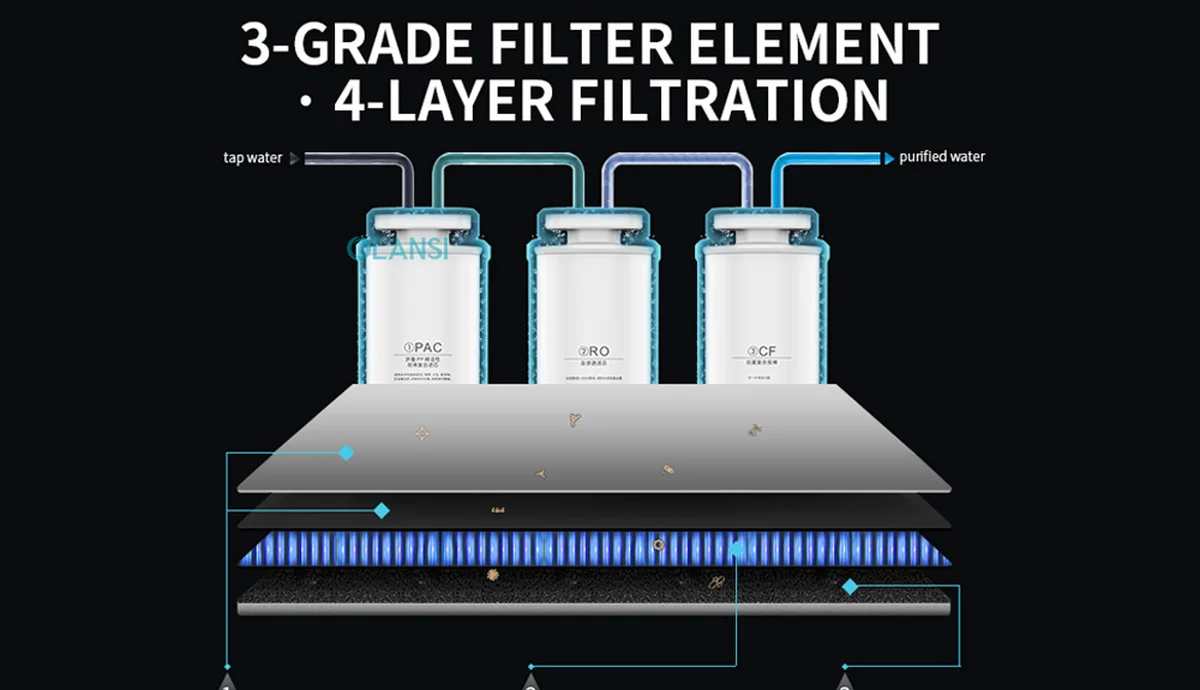
The right water purifier technology depends on source water quality, mineral content and the competing water source in each country. Reverse osmosis is the most versatile technology because it removes dissolved solids, heavy metals and most contaminants, but it wastes some water and removes minerals. Ultrafiltration keeps minerals and needs no electricity, but it does not remove dissolved salts. Activated carbon improves taste and removes chlorine but not microorganisms on its own. UV sterilization adds microbial protection at the outlet.
| Technology | Best fit | Strongest markets |
|---|---|---|
| Reverse osmosis (tank or tankless) | Hard, brackish, well or variable-quality water | Vietnam, Philippines, Indonesia |
| Ultrafiltration | Good municipal water, mineral retention | Thailand, Malaysia |
| Multi-stage carbon / mineral | Taste improvement on treated water | Malaysia, Thailand |
| Hot-and-cold purifier dispenser | Replacing gallon dispensers in homes and offices | Indonesia, Philippines, Malaysia |
| Commercial RO and high-flow systems | Offices, restaurants, refilling operators | Philippines, Indonesia, Vietnam |
Tankless RO systems are gaining share across the region because they save space and reduce secondary contamination from storage tanks. A comparison of the two architectures is available in tankless vs tank RO systems.
Which sales channels work best in each market?
Sales channels differ across the five markets, and the right channel determines product design, packaging and margin structure. Malaysia relies heavily on rental, subscription and direct sales models with service technicians. Vietnam and Thailand rely on electronics and home appliance retail chains, modern trade and large e-commerce marketplaces. Indonesia and the Philippines combine e-commerce with networks of regional dealers and distributors who reach provinces and islands that national retailers do not cover.
E-commerce marketplaces and social commerce are growing in all five countries and are especially important for countertop and portable products that do not require installation. Under-sink and floor-standing systems still depend on installers, so distributors need installation partners or in-house technicians. The commercial segment, including offices, schools, clinics and restaurants, is usually served through B2B dealers and water treatment contractors.
What certifications and regulations affect water purifier imports in Southeast Asia?
Water purifier imports in Southeast Asia are affected by electrical safety certification, product registration, labeling rules and, in some countries, drinking water or religious compliance requirements. Each country maintains its own list of regulated electrical products and its own approval body, so a CB test report or IEC test results are useful starting points but rarely sufficient on their own.
- Indonesia: SNI requirements for many electrical appliances, product registration and Indonesian-language labeling, and halal product assurance requirements that are being phased in for many goods.
- Vietnam: national technical regulations (QCVN) for electrical safety and electromagnetic compatibility of covered products, plus conformity marking and Vietnamese-language labeling.
- Thailand: mandatory TISI standards for many electrical appliances and Thai-language labeling.
- Malaysia: approval from the energy regulator for regulated electrical products, SIRIM testing and certification, and Malay or English labeling.
- Philippines: Philippine Standard (PS) mark or Import Commodity Clearance (ICC) for covered electrical products, and English labeling.
Beyond mandatory rules, buyers increasingly ask for evidence of filtration performance and material safety, such as test reports for contaminant reduction and food-contact compliance of wetted parts. Requirements change over time, so importers should confirm current rules with a local testing body before ordering production. Certification planning for private-label products is explained in the OEM/ODM water purifier and dispenser manufacturing guide.
How should pricing and positioning differ between the five markets?
Pricing and positioning should follow each market’s maturity and its competing water source. In Malaysia, consumers compare monthly rental or subscription fees, so total cost per month including filter service is the key number. In Vietnam, consumers compare features and filter stages at very competitive prices, so value for money and filter cost matter most. In Thailand, design and convenience support a premium in urban areas.
In Indonesia and the Philippines, the purifier must compete with very cheap refill water, so the sales message should focus on safety, convenience, hot-and-cold functions and long-term savings for large families or offices. Entry-level dispensers and compact RO units help first-time buyers, while commercial units sell on cost per liter compared with delivered bottles. For all five markets, filter replacement cost and availability strongly influence repeat purchases and brand loyalty.
Why are filter supply and after-sales service decisive in Southeast Asia?
Filter supply and after-sales service are decisive in Southeast Asia because a water purifier only keeps working if consumers can buy and install the right replacement filters on time. In markets with high humidity and variable water quality, filters may need changing more often than in temperate markets, and clogged pre-filters are a common cause of complaints. Brands that cannot guarantee filter availability lose customers to competitors and to refill water.
Distributors should plan filter stock levels, local packaging, clear replacement instructions and, where possible, filter-life indicators on the product. In rental-driven markets such as Malaysia, standardized cartridges that can be changed quickly by technicians reduce service cost. In archipelagic markets such as Indonesia and the Philippines, regional stock points and online filter sales help reach customers outside major cities.
What are the best entry strategies for brands and distributors?
The best entry strategy depends on the company’s starting position. A distributor entering one country should start with two or three proven models that match local water and channels, such as a hot-and-cold purifier dispenser and an under-sink RO system, and build filter supply and service before expanding the range. A brand planning several countries should develop a common platform with country-specific electrical variants, plugs, labels and filter configurations rather than separate products for each market.
Commercial customers offer a faster route to volume in Indonesia, the Philippines and Vietnam, because offices, schools and restaurants buy several units at once and value service contracts. Private-label and ODM programs allow distributors to launch their own brand with lower development cost, as explained on the OLANSI OEM/ODM page.
What risks should importers consider in the Southeast Asia water purifier market?
Importers in the Southeast Asia water purifier market should consider regulatory, competitive, operational and currency risks. Regulatory risk comes from changing certification and labeling requirements and long approval times. Competitive risk comes from strong domestic brands in Vietnam and established rental companies in Malaysia. Operational risk includes installation quality, filter supply gaps and warranty costs from products not designed for local water.
Currency movements and import duties can change landed cost quickly, so pricing should include a margin buffer. Counterfeit filters are a growing problem in several markets and can damage brand reputation, so unique cartridge designs, packaging security features and authorized sales channels help protect the brand. Each risk can be reduced with local partners, product testing on local water and a realistic launch plan.
What should a B2B buyer ask a water purifier manufacturer before entering Southeast Asia?
A B2B buyer entering Southeast Asia should ask a water purifier manufacturer for evidence that its products can be adapted, certified and supported in each target country. The most useful questions are:
- Which models are already sold in Southeast Asian markets, and in which countries?
- Can the product be supplied in 220 V, 230 V and 240 V at 50 Hz, and in 60 Hz for the Philippines, with the correct plugs?
- Which test reports are available for electrical safety, EMC and filtration performance?
- Can filter configurations be adjusted for well water, hard water or municipal water?
- What is the guaranteed supply period and lead time for replacement filters?
- Which labels, manuals and packaging languages can be provided?
- What MOQ and lead time apply to private-label and custom color versions?
- What warranty, spare parts and technical training are provided to distributors?
Frequently asked questions
Which Southeast Asian country has the largest water purifier market?
Indonesia has the largest population and the largest long-term potential, while Malaysia has the highest household penetration and the most mature purifier culture. Market research sources rank countries differently depending on how they define the category and measure sales.
Which water purifier type sells best in Southeast Asia?
Reverse osmosis purifiers are the largest technology category in the region, especially in Vietnam, the Philippines and Indonesia. Hot-and-cold purifier dispensers are a fast-growing segment because they replace gallon water dispensers in homes and offices.
Can one water purifier model be sold in all five countries?
One platform can serve all five countries, but it usually needs different electrical variants, plugs, labels, certifications and sometimes filter configurations. The Philippines’ 60 Hz power and Malaysia’s type G plugs are two of the most common reasons for separate variants.
Is the rental model important outside Malaysia?
Rental and subscription models are strongest in Malaysia, but they are growing in other markets, especially for offices and commercial customers who prefer a service contract that includes filter replacement and maintenance.
How important is halal certification for water purifiers in Indonesia?
Halal product assurance rules in Indonesia are being phased in across many product categories, and some water purifier brands have already certified their products. Importers should confirm the current requirements for their specific product category and components with the Indonesian authorities or a local partner.
Expand into Southeast Asia with OLANSI water purifiers
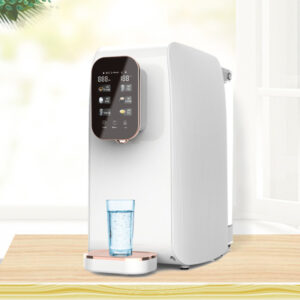
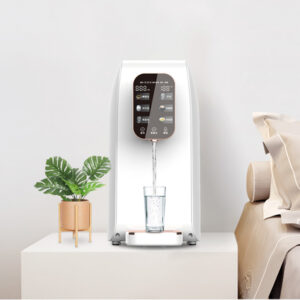
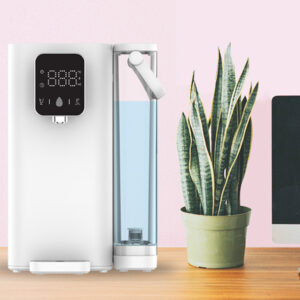
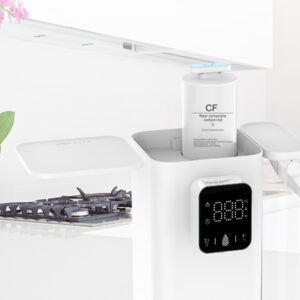
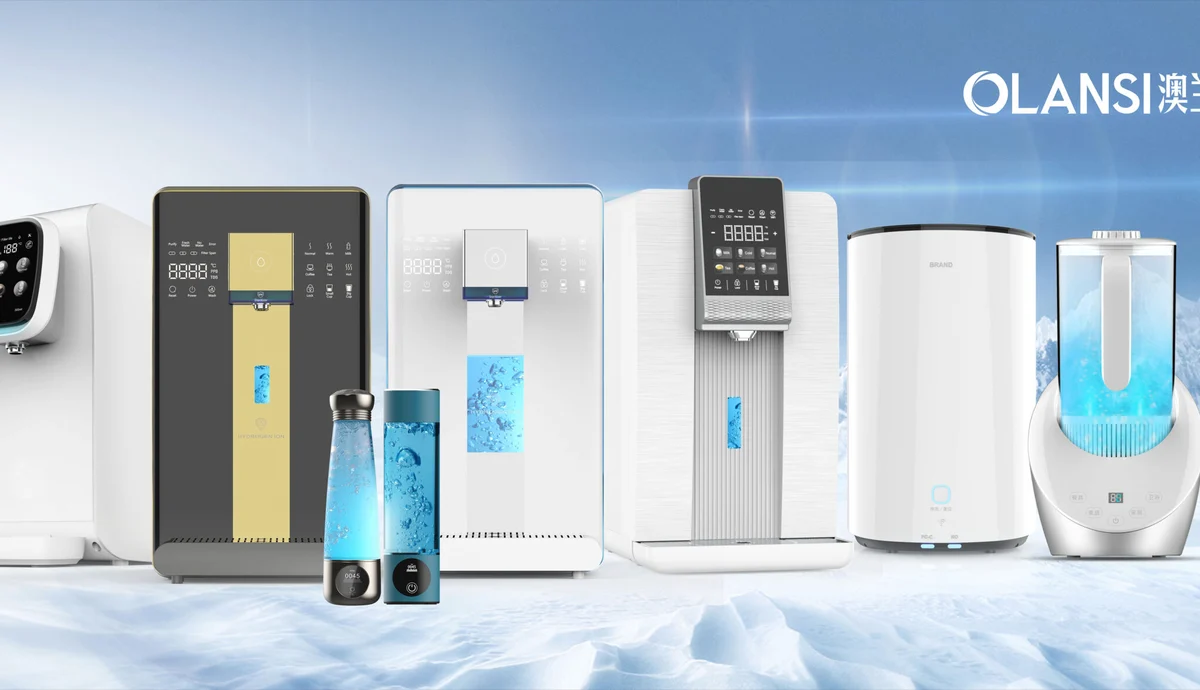
OLANSI manufactures RO water purifiers, tankless purifiers, hot-and-cold purifier dispensers, sparkling water dispensers and hydrogen water products for distributors, importers and private-label brands, with product versions adapted for different voltages, plugs and market requirements. Our team supports filter configuration for local water, private-label design and packaging, certification documents and long-term filter supply. Explore our water purifiers, water dispensers and countertop RO purifier dispensers, and learn more about our R&D and quality control.
Planning to launch or expand a water purifier line in Indonesia, Vietnam, Thailand, Malaysia or the Philippines? Send your target country, product type, estimated quantity and branding requirements through the OLANSI contact page. Our sales engineers will recommend suitable models and configurations for your market, share specifications and test reports, and prepare samples and a quotation for your project.