
Top 10 Hydrogen Water Makers Manufacturers in China 2026
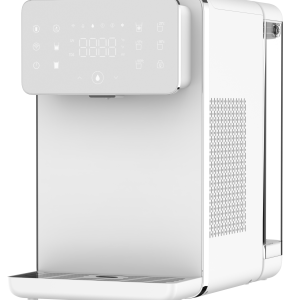
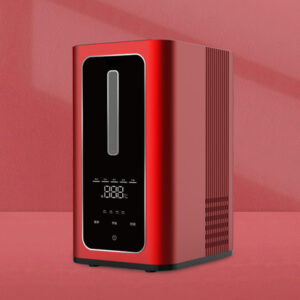
The leading hydrogen water maker manufacturers in China for a 2026 B2B shortlist include OLANSI Healthcare, PHYFLOW, Suzhou Sohi Trading and its Shenzhen hydrogen-product operation, QINGYUE, Shenzhen Suyzeko, Guangdong Cawolo, EHM Group, Yunshen Smart Tech, Shenzhen Yibainian, and Duomei Shijia. This list is a procurement shortlist rather than a claim that one factory is universally 鈥渂est.鈥?Each supplier serves a different combination of portable bottles, pitchers, countertop systems, hydrogen generators, OEM branding, private molds, export documentation, and after-sales support.
A distributor should not choose a manufacturer from a website claim or a single hydrogen concentration number. The stronger decision process compares the exact model, test method, water temperature, cycle time, pressure, food-contact materials, electrical design, battery documents, quality plan, tooling ownership, spare-parts policy, and destination-market compliance. Public information changes, so every statement in a 2026 shortlist should be verified directly during supplier qualification.
Top 10 hydrogen water maker manufacturers in China for 2026
| Manufacturer | Publicly presented product focus | Potential B2B fit | What a buyer should verify |
|---|---|---|---|
| 1. OLANSI Healthcare | Hydrogen water bottles, pitchers, dispensers and broader water-treatment appliances | Brands seeking multi-category OEM/ODM development | Model-specific output, compliance file, MOQ, tooling and QC plan |
| 2. PHYFLOW | Portable hydrogen water bottles and generators | Private-label bottle programs and retail-ready ranges | Factory scope, approved materials, battery file and batch tests |
| 3. Suzhou Sohi / Shenzhen operation | Bottles, hydrogen generators and related hydrogen equipment | Buyers comparing several hydrogen-product formats | Contracting entity, factory identity and certificate ownership |
| 4. QINGYUE | Hydrogen water products plus residential and commercial hydrogen equipment | Distributors building a broader hydrogen-product portfolio | Model maturity, production site and market-specific documents |
| 5. Shenzhen Suyzeko | Hydrogen water bottles, generators and wellness equipment | OEM projects that combine hydrogen categories | Which certificates apply to the quoted model and factory |
| 6. Guangdong Cawolo | PEM-related hydrogen equipment, hydrogen water makers, cups and pitchers | Buyers interested in component-to-system technical scope | Consumer-model production controls and actual test limits |
| 7. EHM Group | Water ionizers, hydrogen water bottles and hydrogen generators | Importers combining ionized-water and hydrogen-water lines | Difference between product families, claims and certifications |
| 8. Yunshen Smart Tech | Portable hydrogen water bottles with published model test documents | Programs that prioritize portable bottle performance evidence | Test sample identity, current production version and batch consistency |
| 9. Shenzhen Yibainian | Hydrogen water machines, water generators and ionizers | Private-label appliance and tabletop product sourcing | Factory audit, R&D ownership, lead time and service capacity |
| 10. Duomei Shijia | Hydrogen-rich water pitchers, bottles and generators | Wholesale and customized hydrogen-water programs | Factory evidence, product lifecycle and export documentation |
The order above is not a laboratory performance ranking. Public websites use different definitions, test conditions and product categories, so published claims cannot be normalized into a defensible score without model-level samples and comparable third-party testing. Buyers should treat the list as a starting point for requests for information, not as a substitute for due diligence.
How were the 10 manufacturers selected?
The shortlist focuses on China-based businesses that publicly present hydrogen water makers, bottles, pitchers or related consumer hydrogen equipment and that describe some form of manufacturing, OEM, ODM, wholesale or private-label capability. Industrial electrolyzer manufacturers were excluded because a megawatt-scale hydrogen plant does not serve the same buyer, product, safety or certification requirements as a household hydrogen water appliance.
Shopping listings and paid marketplace placements were not used as proof of manufacturing capability. A marketplace page can help a buyer discover models, but it does not confirm who owns the factory, who designed the electrolysis cell, or whether a certificate belongs to the current production configuration. Consumer popularity rankings were also treated separately because brand awareness and factory capability answer different questions.
The five leading relevant search pages reviewed for this article consistently emphasized product range, SPE/PEM terminology, OEM/ODM service, custom branding and export documentation. The pages rarely supplied a complete model-level validation package, consistent dissolved-hydrogen test conditions, lot traceability, failure-rate data, battery transport documents, spare-parts commitments or a change-control process. The selection framework below adds those missing B2B controls.
1. OLANSI Healthcare
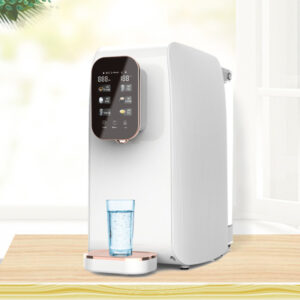
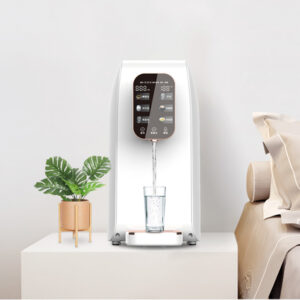
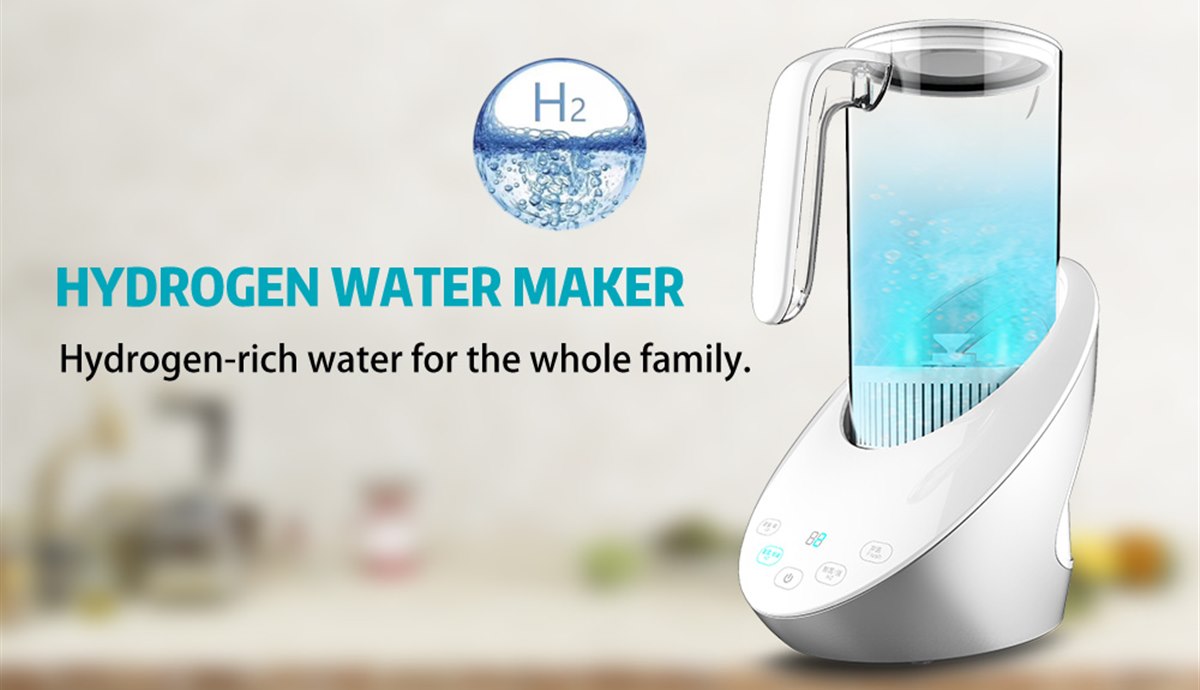
OLANSI Healthcare is included as one of the 10 hydrogen water maker manufacturers because the company presents hydrogen water bottles, pitchers, dispensers and related water appliances alongside OEM and ODM services. The breadth of the range can suit distributors that want one supplier discussion to cover multiple drinking-water categories rather than one portable bottle.
OLANSI is a practical candidate for buyers that require product configuration, private labeling, packaging and broader appliance-manufacturing coordination. A buyer should still qualify the exact quoted model. Corporate capability does not prove the dissolved-hydrogen performance, safety, food-contact suitability or compliance of every SKU. The hydrogen water maker technology and sourcing guide explains the model-level specifications that should accompany an RFQ.
For an OLANSI sample program, request the complete bill of materials, electrolysis-cell description, water-contact material declarations, output test method, electrical ratings, adapter or battery documents, cleaning instructions, packaging specification and inspection plan. The approved golden sample should be signed and retained before mass production begins.
2. PHYFLOW
PHYFLOW publicly focuses on portable hydrogen water bottles and generators for private-label buyers. Its public material emphasizes model selection, branding, packaging, MOQ and export coordination. That scope may suit an importer seeking a coherent bottle range instead of a large countertop appliance program.
A buyer should confirm whether molding, electrolysis-cell assembly, final assembly and quality testing occur at the same facility or through qualified partners. The quotation should name the legal manufacturer, production address and certificate holder. It should also state which materials and membrane configuration belong to the selected model rather than to the supplier’s general catalog.
3. Suzhou Sohi Trading and its Shenzhen hydrogen-product operation
Public company information associated with Suzhou Sohi describes hydrogen water bottles, hydrogen generators, inhalation equipment, customization and production capacity. The product breadth may suit channel buyers that want to compare portable and larger hydrogen appliances within one supplier group.
The main due-diligence question is corporate identity. Buyers should establish which company signs the contract, which facility manufactures the product, who owns the tooling, and which entity appears on test reports and declarations. Similar brand, trading and factory names can create customs, warranty and product-liability problems if the purchase agreement does not map each role clearly.
4. QINGYUE
QINGYUE publicly presents hydrogen water products alongside inhalation, bath and higher-flow hydrogen equipment. The wider scope may fit distributors that plan to build a multi-category hydrogen wellness portfolio and want shared industrial design or channel positioning across several products.
A wide catalog is not automatically an advantage for every buyer. A specialist bottle importer may prefer a supplier with deeper tooling and testing for one format, while a distributor may value cross-category development. The audit should therefore measure the factory’s actual production volume, dedicated equipment, engineers, current models and after-sales inventory for the specific hydrogen water maker being purchased.
5. Shenzhen Suyzeko
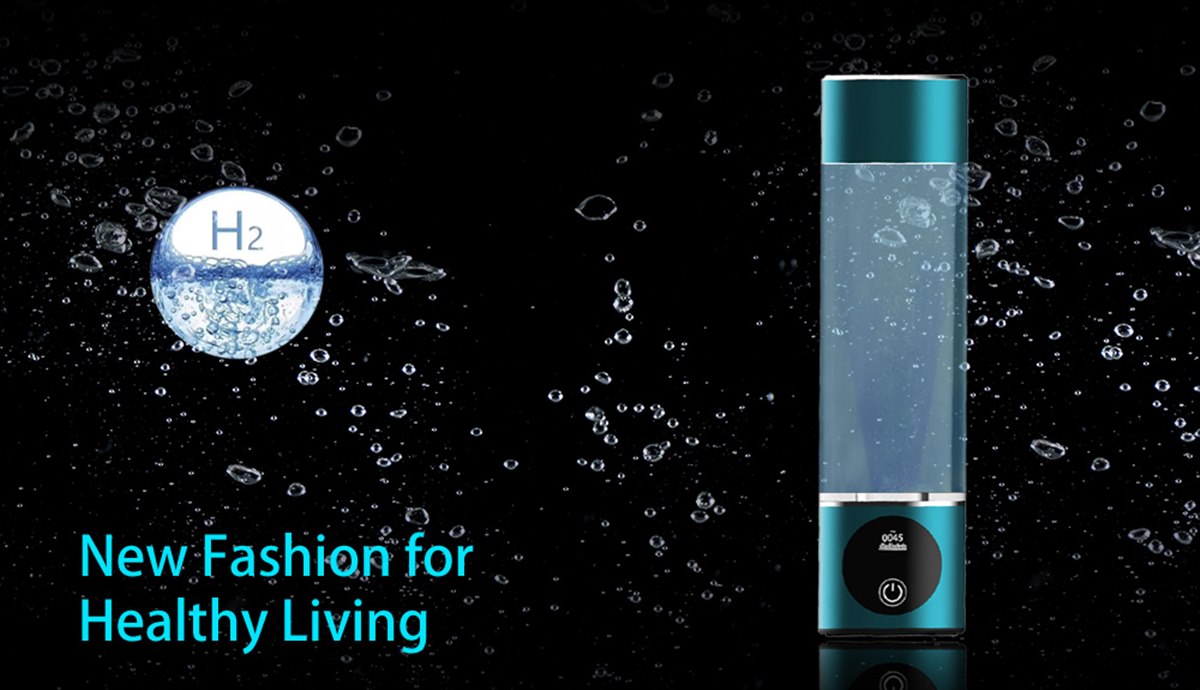
Shenzhen Suyzeko publicly describes hydrogen water bottles and hydrogen generators within a larger wellness-equipment portfolio and offers OEM/ODM services. This supplier profile may fit buyers that want hydrogen products combined with other wellness hardware or that require customized appearance and controls.
Certificates displayed on a corporate website should never be assumed to cover every product. A buyer should match the model name, electrical rating, applicant, manufacturer, factory address, standard, report number and issue date to the quoted unit. A certificate for a hydrogen inhalation machine does not demonstrate compliance for a battery-powered drinking bottle.
6. Guangdong Cawolo
Guangdong Cawolo publicly presents a product scope that spans PEM-related hydrogen equipment, hydrogen water machines, cups, pitchers and larger hydrogen systems. The component-to-system positioning may interest buyers who want technical discussion about the electrolysis section rather than only cosmetic private labeling.
Industrial hydrogen capability and consumer-appliance capability should be audited separately. Portable products require food-contact controls, leak and pressure checks, charging safety, drop resistance, user instructions and retail packaging. Buyers should ask for the process flow and control plan used on the consumer model, not a general presentation about large electrolyzers.
7. EHM Group
EHM Group publicly presents water ionizers, hydrogen-rich water bottles, pitchers and hydrogen generators. The range may suit distributors that sell both ionized-water and molecular-hydrogen products, provided the product categories are explained accurately to customers.
A hydrogen water maker and an alkaline water ionizer are not interchangeable descriptions. Hydrogen concentration, pH and oxidation-reduction potential measure different properties. The hydrogen water versus alkaline water comparison helps buyers prevent product pages and training materials from combining unrelated claims.
8. Yunshen Smart Tech
Yunshen Smart Tech publicly offers portable hydrogen water bottles and has model-specific test reports available online for at least some products. Model-level evidence is more useful than a general corporate statement because it identifies a sample, test conditions and measured results.
A published report still requires version control. Buyers should confirm that the production bill of materials, pressure-relief design, membrane, electrodes, battery and firmware match the tested sample. A report should not be extended to a visually similar model or a revised cell without written technical justification and, when material, repeat testing.
9. Shenzhen Yibainian
Shenzhen Yibainian publicly presents hydrogen water machines, generators, ionizers and private-label services. The range may fit importers seeking tabletop or household appliances rather than a bottle-only supplier.
The buyer should verify production ownership because a broad sales catalog can include internally manufactured and externally sourced models. A factory audit should trace one selected SKU from incoming parts through electrolysis-cell assembly, electrical safety checks, leak testing, functional testing, aging, final inspection and shipment release.
10. Duomei Shijia
Duomei Shijia publicly presents hydrogen-rich water pitchers, bottles, generators, OEM/ODM customization and B2B support. The profile may suit wholesalers that want several hydrogen water formats with custom logo, packaging or selected functional changes.
Buyers should verify product maturity and lifecycle control. A supplier should identify which models are stable mass-production platforms, which are new developments, how long key parts will remain available, and how design changes are approved. A low MOQ is less valuable if the bottle, membrane, cap seal or electronic board changes without notice after the first order.
How should B2B buyers compare the manufacturers?
A useful comparison begins with a common product brief. Sending different requirements to different factories produces prices that cannot be compared. Every shortlisted supplier should receive the same target format, capacity, dissolved-hydrogen requirement, test conditions, cycle time, water specification, materials, battery or mains input, accessories, packaging, destination market, expected annual volume and warranty expectation.
| Evaluation area | Evidence to request | Why it matters |
|---|---|---|
| Manufacturer identity | Business license, factory address, organization chart and contract entity | Separates the producer from an exporter or marketplace seller |
| Hydrogen performance | Model-specific protocol, raw results, instrument details and independent report where appropriate | Makes ppb or mg/L claims comparable |
| Product safety | Pressure protection, leak tests, electrical file, battery protection and instructions | Controls predictable misuse and component failures |
| Food-contact materials | Material identity, declarations and relevant test reports | Confirms that water-contact parts match the target market |
| Compliance | Reports, certificates, declarations and model lists | Prevents using unrelated or expired documents |
| Quality system | Control plan, incoming inspection, in-process tests, final AQL and traceability | Shows how sample performance is maintained in production |
| OEM/ODM control | Tooling ownership, artwork approval, change control and confidentiality terms | Protects the buyer’s brand and product configuration |
| After-sales | Warranty terms, failure analysis, spare parts and response times | Determines the real cost after shipment |
Why hydrogen concentration claims must use one test method
A manufacturer comparison is invalid when each supplier uses a different test condition. Dissolved hydrogen changes with temperature, pressure, cycle time, water composition, headspace, container sealing and delay before measurement. One supplier’s maximum value after a long pressurized cycle cannot be compared with another supplier’s value after a short atmospheric cycle.
The sample protocol should specify the same water source, water volume, starting temperature, fill level, cycle time, cap state, rest time, measurement instrument, calibration procedure and number of replicates. The buyer should record average, minimum and variation rather than the single highest result. The test should also check unwanted by-products when the design and input water make them relevant.
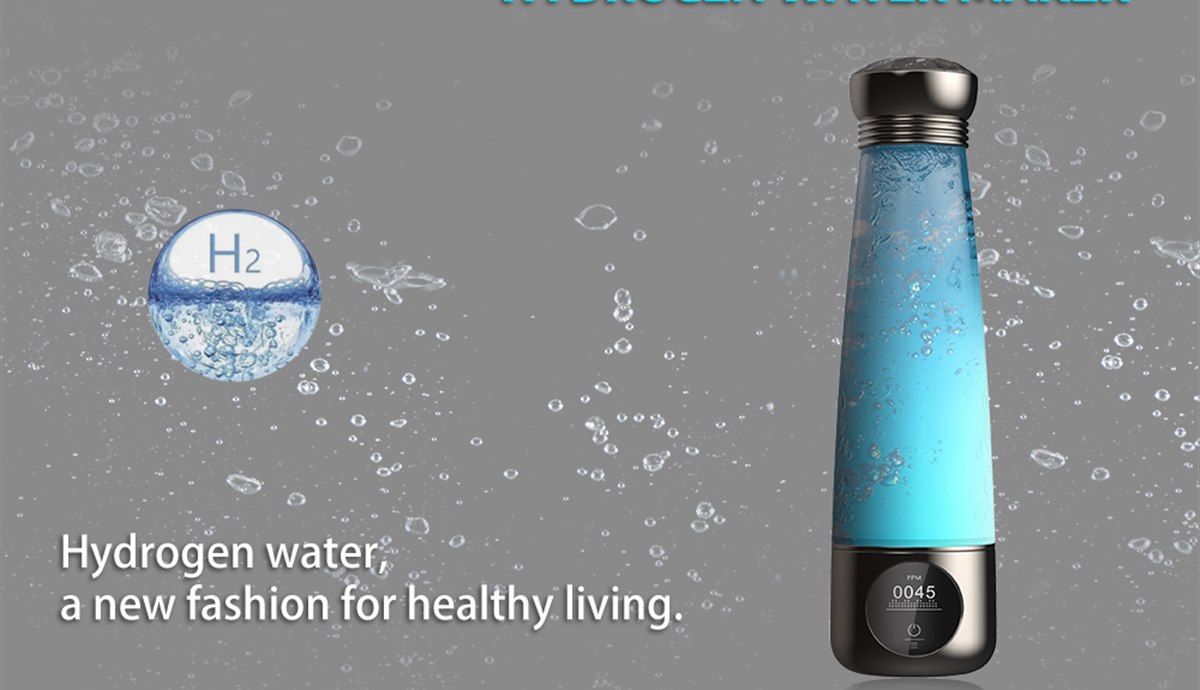
A display showing 鈥減pb鈥?is not necessarily a dissolved-hydrogen sensor. Some products calculate or display a programmed estimate based on cycle time. Buyers should ask how the displayed number is generated and should verify output with an appropriate independent method. The site’s hydrogen water machine evaluation guide provides additional consumer-facing selection context.
Which compliance documents should an importer request?
The required file depends on the product and destination market. A mains-powered countertop machine, a USB-charged portable bottle and a plumbed-in dispenser do not have identical obligations. The buyer should build a market-specific compliance matrix covering electrical safety, electromagnetic compatibility, radio functions, restricted substances, food-contact materials, batteries, labeling, packaging and producer-responsibility rules.
For the European market, CE marking is not a universal certificate issued by one central authority. The manufacturer must identify the applicable legislation, complete the conformity assessment, prepare technical documentation and issue the declaration of conformity. The European Union’s CE-marking guidance also explains that a business selling a product under its own brand can carry manufacturer responsibilities.
Portable products with lithium batteries need a transport file appropriate to the cell, battery, product configuration and shipping method. Buyers should ask for the UN 38.3 test summary, safety data, cell specification and packaging instructions, then confirm requirements with the carrier. A generic battery certificate from a different cell does not close the compliance gap.
Food-contact evidence must map to the actual water-contact materials and colorants. A general statement such as 鈥渇ood grade鈥?is not enough. The file should identify the resin, stainless grade, silicone or elastomer, adhesives and coatings used in the approved bill of materials. The U.S. Food and Drug Administration describes a food-contact substance as a material that contacts food without being intended to have a technical effect in it.
How should health claims be controlled?
A manufacturer shortlist should not imply that a hydrogen water maker diagnoses, treats, cures or prevents disease. Product engineering evidence and health-claim evidence are different. A test showing dissolved molecular hydrogen does not prove a therapeutic outcome, and a study on one exposure or population does not automatically support advertising for every appliance.
The U.S. Federal Trade Commission’s health-products compliance guidance states that express and implied health claims need appropriate substantiation and that the overall consumer impression matters. Importers should approve packaging, product pages, influencer briefs and distributor claims through a market-specific legal review before launch.
Manufacturers should provide accurate technical data without inventing medical positioning for the buyer. Claims such as hydrogen concentration, cycle time, capacity, material and battery life must still be supported by model-specific evidence. The site’s article on hydrogen water bottle limitations and side effects can help content teams identify questions that require cautious wording.
What should happen during a factory audit?
A factory audit should follow a real order through the process. The auditor should verify incoming inspection for membranes, electrodes, seals, bottles, batteries and circuit boards; storage and lot identification; assembly controls; torque or sealing operations; firmware loading; leak and pressure checks; electrolysis testing; aging; final inspection; packaging; and nonconforming-product control.
The audit should also distinguish development samples from stable production. A handmade sample may achieve strong performance but use processes that cannot hold the same tolerance at volume. Buyers should ask for recent production records, yield, rework, customer-return categories and corrective actions for the quoted product family.
Traceability should connect a finished-unit code to the production date, key component lots, test results and shipment. Traceability allows a supplier to isolate a problem instead of recalling every unit. The OEM/ODM manufacturing guide explains how tooling, samples, contracts and quality gates should be coordinated in a private-label project.
How should samples be tested before choosing a supplier?
- Freeze the sample specification. Record every component, firmware version, accessory and package included in the candidate unit.
- Test hydrogen output consistently. Use the same water, temperature, cycle, pressure state, delay and measurement method for every supplier.
- Check safety functions. Review pressure relief, charging protection, dry operation, abnormal temperature, leakage and foreseeable misuse.
- Run repeated cycles. A single successful cycle does not show drift, membrane conditioning, battery behavior or seal durability.
- Inspect cleaning and hygiene. Confirm that the user can drain, rinse and maintain the water path without creating stagnant areas.
- Verify materials and documents. Match markings and parts to reports, declarations and the bill of materials.
- Approve a golden sample. Sign, seal and retain matched samples for the buyer and factory before production.
Service-life testing should reflect how the customer will use the product. Battery cycle life, membrane performance, seal aging, electrode condition and bottle damage may limit the useful life differently. The site’s guide to hydrogen water bottle service life explains the variables that a warranty plan should address.
Which commercial terms matter beyond unit price?
A complete landed-cost comparison includes sample fees, tooling, minimum order quantity, packaging, inserts, test reports, inspection, spare parts, freight, duties, warranty replacements and forecast risk. A low unit price can become expensive when the supplier changes a critical component, cannot reproduce the approved sample, or provides no failure analysis.
The quotation should separate existing-model customization from new development. Logo printing, color, packaging and manuals usually involve lower risk than a new mold, new electrolysis cell, new electronics or new firmware. Each change should have a responsible party, cost, timeline, validation plan and ownership clause.
Payment terms should align with verified milestones. A practical structure can link payment to tooling approval, signed samples, material readiness, passed inspection and shipment documents. The purchase agreement should define acceptance criteria, change notification, defect handling, intellectual property, confidentiality, delivery, warranty and dispute process.
What should a hydrogen water maker RFQ include?
- Target product format: bottle, pitcher, countertop maker, dispenser or integrated purifier.
- Water capacity, dimensions, weight, input water conditions and operating temperature.
- Required dissolved-hydrogen range with a complete measurement protocol.
- Cycle time, pressure design, relief method, electrolysis architecture and cleaning cycle.
- Water-contact materials, seals, coatings, electrodes and membrane specification.
- Battery, charger, input voltage, plug, power, standby behavior and transport documents.
- Target-market standards, test reports, declarations, labeling and language requirements.
- Logo, color, packaging, manual, accessory and carton requirements.
- MOQ, forecast, sample stages, tooling, lead time and capacity reservation.
- Incoming, in-process and final inspection requirements with AQL and critical defects.
- Golden sample, bill-of-material control, traceability and engineering-change notice.
- Warranty, spare parts, response time, failure analysis and corrective-action process.
Which manufacturer is the right choice?
The right manufacturer is the supplier whose verified model, factory process and commercial system fit the buyer’s product brief. OLANSI may suit a buyer seeking a broader water-appliance OEM/ODM partner. A bottle specialist may suit a focused portable range. A wider hydrogen-equipment company may suit a distributor planning several hydrogen categories. None of those positions is automatically superior.
A shortlist should normally move from public research to an RFI, document review, standardized samples, video or onsite audit, pilot order and monitored mass production. Buyers should avoid awarding a full order from a catalog comparison alone. The final decision should be supported by evidence that can be included in a product technical file and reproduced during inspection.
Frequently asked questions
Is this list a ranking from first to tenth?
No. The numbers create a readable shortlist and do not claim a universal performance order. Model performance, documentation, pricing and service must be verified for each project.
Is a high advertised ppb value enough to select a factory?
No. The value is meaningful only when the test conditions, method, sample identity and repeatability are known. Safety, materials, compliance and production consistency remain separate requirements.
Should a buyer work with a factory or a trading company?
Either model can work if responsibilities are transparent. A trading company may add sourcing and export service, while a direct factory may simplify technical control. The contract should identify the actual manufacturer and assign quality, certification and warranty responsibilities.
What is the best first order size?
The first order should be large enough to exercise the real production process but small enough to contain launch risk. The correct quantity depends on MOQ, tooling, certification, sales forecast, inspection findings and the supplier’s pilot-order policy.
Develop a private-label hydrogen water maker with OLANSI
OLANSI is one of the 10 manufacturers in this 2026 China shortlist and supports B2B discussions for hydrogen water bottles, pitchers, dispensers and related water appliances. A useful inquiry should include the target market, product format, quantity, required hydrogen test conditions, compliance needs, branding, packaging, launch date and expected annual volume.
Contact OLANSI for a model recommendation, sample plan, OEM/ODM discussion and quotation. Buyers can also review an example hydrogen water pitcher product configuration before preparing the RFQ. Final specifications, performance claims and compliance documents should always be confirmed for the exact model and destination market.