
Water Purifier Buying Guide 2026
The best water purifier for 2026 is the system that addresses your measured water-quality needs, delivers enough water at the point of use, and remains affordable to maintain. Start with a water report or appropriate laboratory testing, verify the exact model’s contaminant-reduction claims, and compare installation requirements and ownership costs before choosing extra features. A higher stage count, a lower TDS display, or a larger price tag does not establish better protection.
This water purifier buying guide turns those principles into a practical purchasing checklist for homes, offices, distributors, and private-label brands. The focus is evidence you can request and checks you can repeat. Product recommendations without a defined water source are less useful because the same purifier can be suitable for one installation and unsuitable for another.
Estimated reading time: 13 minutes.
What should you check before comparing water purifiers?
A useful purifier shortlist starts with four facts: the incoming water source, the substances you want to reduce, the busiest dispensing period, and the installation location. A household improving chlorine taste has a different requirement from an office using variable-quality well water. Writing down the requirement first makes competing quotations comparable and prevents attractive features from obscuring missing treatment capability.
| Buying question | Evidence to request | Reason it matters |
|---|---|---|
| What needs treatment? | Utility report and relevant tap-water laboratory results | Identifies the actual treatment target |
| Does the model address that target? | Exact model listing and performance data sheet | Connects marketing claims to verified capabilities |
| Will the purifier fit daily use? | Measured dispensing performance and installation drawing | Reveals queues, clearance problems, and utility requirements |
| Can the purifier be maintained? | Cartridge schedule, prices, stock plan, and service terms | Shows the continuing cost and support burden |
| Can a business scale the purchase? | Approved sample, acceptance criteria, and change-control agreement | Reduces variation between samples and production units |
How do you identify the water problem accurately?
Municipal-water buyers should begin with their supplier’s water-quality information, then consider whether the building introduces additional concerns. A utility report describes the supply being monitored; it does not necessarily describe water after passage through a particular building’s pipes or storage tank. Targeted testing at the intended drinking outlet can therefore answer questions that a regional report cannot.
Private-well and mixed-source installations need a testing plan suited to local conditions. Ask a qualified laboratory or local water authority which microbiological and chemical tests are appropriate, and follow the sampling instructions exactly. A poorly collected sample can produce misleading results. Record seasonal changes or source switching because equipment selected for one water profile may need reassessment when the incoming water changes.
A handheld total dissolved solids meter estimates dissolved ionic content from electrical conductivity; it does not identify individual contaminants or establish microbiological safety. Low TDS cannot rule out harmful organisms or trace chemicals, while higher TDS may reflect ordinary dissolved minerals. Use TDS as one operating measurement, rather than a universal threshold for deciding whether water is safe or whether RO is necessary.
Water treatment is optional when the existing supply already meets the user’s needs; taste preferences alone may justify a simpler filter. The CDC’s home water treatment overview recommends matching treatment to the germs or chemicals of concern. During an official drinking-water advisory, follow the authority’s instructions instead of assuming an everyday purifier makes the advisory irrelevant.
Which treatment technology matches your requirement?
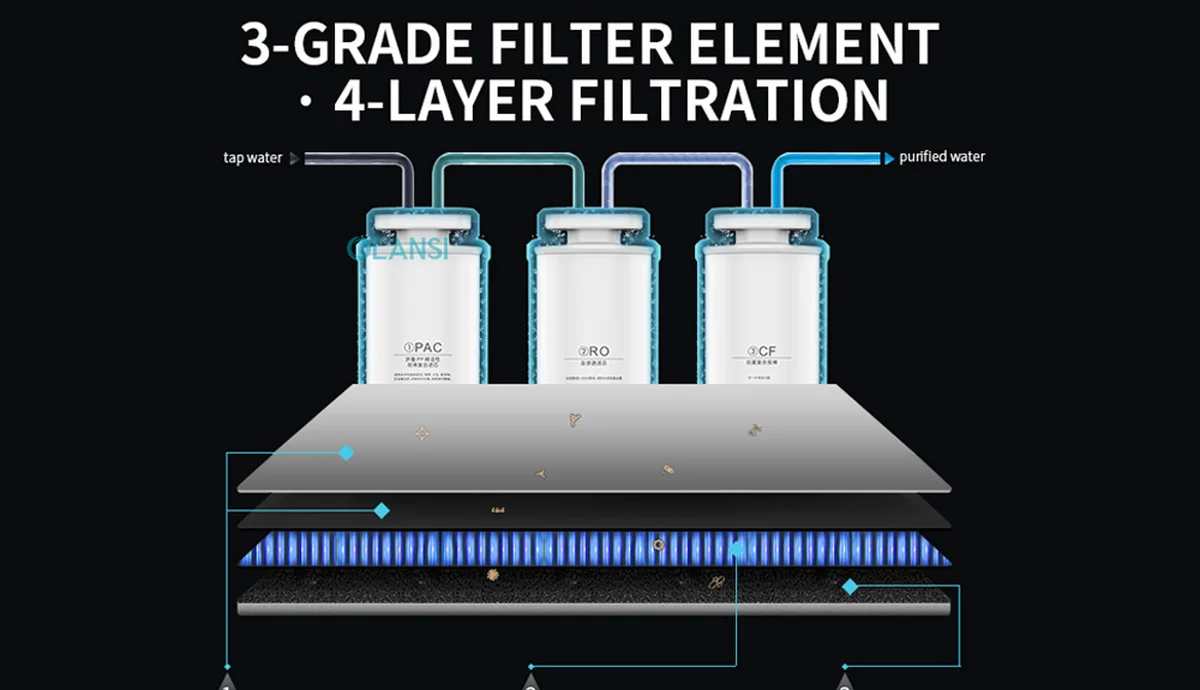
Filtration technologies perform different jobs, so a purifier should be evaluated as a complete treatment system. Sediment filtration protects downstream components from particles, adsorption media target specified substances, membranes provide separation, and ultraviolet treatment addresses susceptible microorganisms under validated conditions. Combining technologies can address multiple needs, but adding stages without a defined purpose increases maintenance without necessarily improving the required result.
| Technology | Potential role | Important limitation |
|---|---|---|
| Activated carbon | Chlorine taste and odor; other substances when specifically validated | Generic carbon claims do not establish removal of every chemical or germ |
| Ultrafiltration, or UF | Particle separation and specified microbial reductions | Usually retains dissolved salts; virus protection requires specific evidence |
| Ultraviolet, or UV | Microbial inactivation in a correctly designed treatment stage | Does not remove dissolved chemicals; water clarity and operating conditions matter |
| Reverse osmosis, or RO | Dissolved-solids reduction and model-specific contaminant reductions | Requires suitable feed conditions and management of concentrate water |
| Water softening | Hardness control to reduce scaling problems | Does not replace a complete drinking-water treatment assessment |
Carbon filtration can be a proportionate choice when the primary objective is improving the taste of otherwise suitable municipal water. A purchaser concerned about lead or another health-related contaminant must verify that particular reduction claim, rather than infer performance from the presence of carbon. Chlorine and chloramine also require separate attention when comparing product claims and cartridge capacities.
RO becomes relevant when the treatment target includes dissolved substances that the proposed simpler filter cannot adequately address. An RO label alone does not prove suitability for every feed source or contaminant concentration. Request the complete operating envelope, pretreatment requirements, and applicable performance evidence before selecting a system for difficult groundwater or a source with substantial variation.
How can you verify certification instead of trusting a logo?
A certification check should connect three items: the exact purifier model, the exact replacement cartridge, and the named reduction claim. Search the issuing certification body’s directory and compare the listing with the proposed product configuration. A certificate for a different model, a component, or factory management procedures does not automatically establish the performance of the finished purifier offered for sale.
NSF/ANSI 42 concerns aesthetic effects, NSF/ANSI 53 covers specified health-related reductions, NSF/ANSI 58 addresses RO systems, and NSF/ANSI 55 covers UV treatment with different classes of application. These numbers identify standards, not a quality ranking. The NSF standards guide explains why buyers must check individual claims rather than assume certification covers every possible contaminant.
A performance data sheet should identify the test conditions, rated capacity, service flow, and relevant restrictions. Ask whether a quoted reduction applies throughout the rated service life or only to a particular test result. A dated laboratory report can provide useful evidence, but it should not be described as ongoing product certification unless the corresponding certification actually exists.
PFAS purchasing decisions require particular care because the substances covered and test endpoints may differ between claims. Identify the compounds relevant to the water supply and examine the current listing and supporting documentation. The EPA’s home-filter guidance for PFAS directs buyers to verify certification and maintain filters as specified; a broad “PFAS removal” slogan is insufficient purchasing evidence.
Which purifier format fits the installation?
Countertop refill purifiers suit installations where permanent plumbing changes are impractical, provided users can manage filling, emptying, and cleaning. Under-sink systems free countertop space but need accessible service connections and enough room for cartridge replacement. A plumbed countertop dispenser reduces manual refilling, although the installer must still check water supply, drainage where required, and electrical access.
Installation drawings should show service clearance as well as cabinet dimensions. A purifier that fits tightly beneath a sink may become expensive to maintain if the cartridge cannot be removed without dismantling plumbing. Verify inlet-pressure limits, connection sizes, allowed feed temperature, drain arrangement, power rating, and leak-management provisions against the actual site before accepting an installation quotation.
Point-of-use treatment serves a drinking outlet, whereas point-of-entry treatment addresses water entering a building. Treating the entire building can be appropriate for a defined problem, but it is not automatically necessary for improving one drinking-water outlet. Where the choice is between storage and direct-production RO, use the dedicated tankless versus tank RO comparison for the detailed layout and performance trade-offs.
How much water must the purifier deliver at busy times?
Peak demand is the most useful sizing check because daily production can conceal a frustrating queue. Consider an office where twelve people each fill a 250 mL cup within five minutes: the immediate requirement is three liters, before allowing for cooking or other users. Ask the supplier to demonstrate that dispensing pattern with the intended water temperature and source conditions.
A membrane production rating and a dispenser flow rating describe different things. Gallons per day usually expresses production under stated test conditions, while liters per minute at the outlet describes delivery during a particular draw. Stored water may support a short burst that the treatment stage cannot continuously replenish. Request sustained delivery and recovery data, not only a large production number.
Hot and cold dispensing must be sized separately from ambient purified-water output. A device may fill room-temperature cups quickly but recover chilled water slowly after repeated draws. Specify the number of consecutive cups, cup volume, acceptable temperature range, and interval between servings. A repeatable dispensing test makes thermal performance easier to compare than vague descriptions such as “instant” or “high capacity.”
How should you compare RO water use and electricity?
RO water-use claims are comparable only when the numerator, denominator, and operating conditions are clear. If a system produces two liters of treated water and one liter of concentrate, the product-to-concentrate ratio is 2:1 and recovery is approximately 67%. Reversing the ratio changes its meaning completely. Request measured inlet, product, and drain volumes over the same operating period.
A realistic RO comparison includes automatic flushing and the household’s actual dispensing pattern. A favorable steady-state measurement may not describe repeated small servings or frequent restarts. The EPA WaterSense program for point-of-use RO provides an independent efficiency framework for eligible products. Check the current product listing and test documentation instead of treating every advertised water-saving ratio as an equivalent certification.
Electricity costs depend on what the appliance does between servings as well as during dispensing. Compare standby consumption, heating and cooling behavior, and configurable sleep settings under the same usage schedule. A lower purchase price may be offset by continuous temperature maintenance in a lightly used office, while a busy location may value faster recovery enough to justify greater energy consumption.
What does a realistic ownership-cost comparison include?
A useful ownership budget includes the purifier, installation, scheduled cartridges, membranes, sanitation, service labor, water, electricity, and foreseeable replacement parts. Compare products over the same period and water demand. A cheap unit with expensive proprietary consumables can cost more over time, but a higher-priced unit is not automatically economical unless its replacement schedule and support costs justify the difference.
| Cost item | System A | System B |
|---|---|---|
| Purchase | $300 | $500 |
| Installation | $100 | $100 |
| Three years of replacement consumables | $450 | $270 |
| Three years of water and electricity | $90 | $75 |
| Scheduled service | $120 | $90 |
| Total | $1,060 | $1,035 |
The hypothetical comparison shows why a $200 purchase-price difference does not necessarily survive a three-year calculation. System B finishes $25 lower under the stated assumptions; different cartridge prices or usage could reverse the result. Replace every allowance with a supplier quotation or local utility figure, and keep unplanned repairs separate so uncertainty remains visible.
Cartridge availability deserves equal weight with cartridge price. Ask for replacement part numbers, compatible model revisions, local stock arrangements, and support after a product is discontinued. A physically fitting substitute may not preserve the original validated performance. For replacement timing and volume calculations, consult the separate guide to filter life, liters, and smart reminders rather than relying on a generic annual estimate.
Which convenience features are worth paying for?
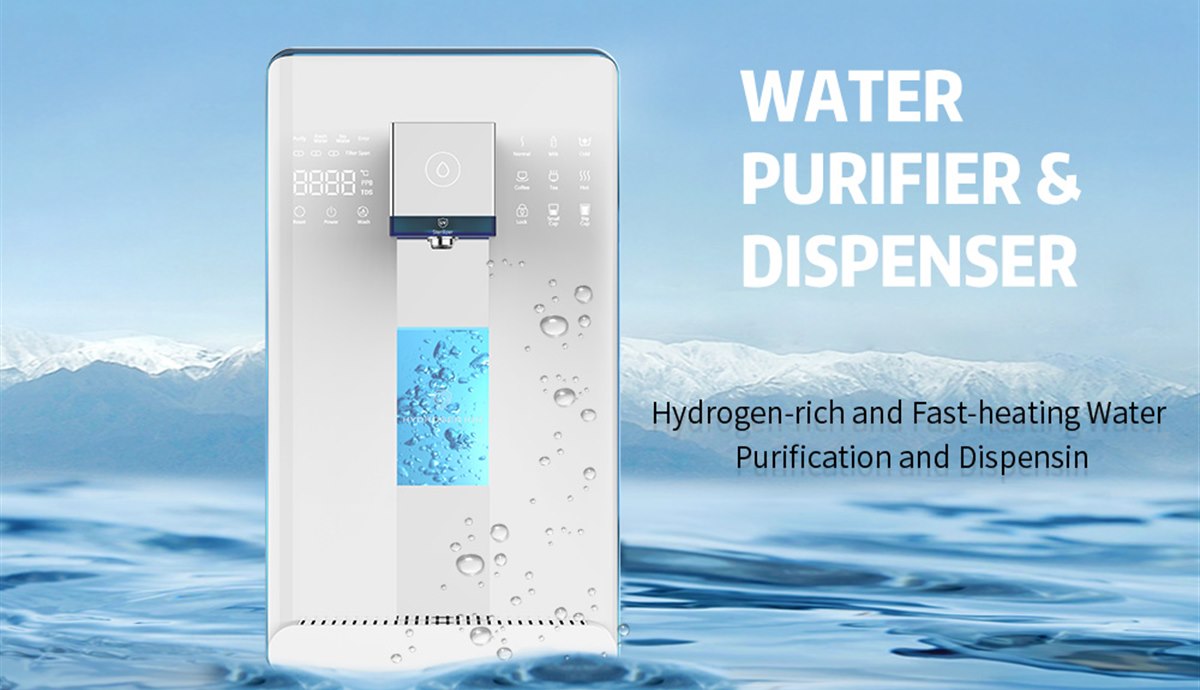
Useful convenience features make correct operation easier: accessible cartridges, clear maintenance alerts, removable reservoirs, readable controls, and an understandable hot-water lock. Evaluate the user’s routine before adding connectivity or specialized dispensing modes. A simple purifier with clear local controls may be easier for a shared workplace to manage than a feature-rich appliance that depends on one employee’s phone.
A digital display should be judged by what it actually measures. A TDS number provides different information from a flow-based cartridge counter, and a calendar reminder provides different information from either measurement. Ask which sensors are present and how alerts are triggered. A screen that says “good” does not replace contaminant-specific testing or establish that every treatment stage is operating correctly.
Connected purifiers also need a practical ownership plan. Confirm whether filtration and dispensing continue without internet access, who can reset maintenance counters, and how shared access transfers when staff change. Local serviceability is usually more important than an impressive app demonstration. For business deployments, request a clear description of data collection and account responsibilities before enabling remote features.
How do you assess hygiene and everyday maintenance?
Maintenance suitability can be assessed by asking the intended user to explain the cleaning procedure after reading the manual. A removable tank is helpful only when its openings, seals, and internal surfaces can be cleaned as instructed. Compare cleaning frequency, sanitation materials, and drying or flushing requirements before purchase, particularly for shared dispensers that may stand unused over weekends.
Commissioning should establish a documented starting condition for the purifier. Record installation details, cartridge identities, initial flushing, leak checks, and the manufacturer’s required sanitation procedure. Where treatment is intended to address a measured contaminant, arrange appropriate follow-up testing. A successful installation is more than water flowing from the outlet; it includes evidence that the system is configured and maintained for its intended task.
What additional checks should B2B buyers complete?
B2B buyers should turn the consumer checklist into a written acceptance plan before ordering production quantities. Specify the destination market, source-water range, daily and peak demand, electrical supply, language, service model, and required performance claims. Separating mandatory requirements from optional features makes quotations easier to compare and prevents a cosmetic customization from being mistaken for technical suitability.
A pilot evaluation should reproduce the intended installation and user routine. Check measured dispensing output, temperature recovery, noise, cleaning access, cartridge replacement, alerts, and behavior after normal power interruptions. Assign responsibility and acceptance criteria before testing begins. A signed sample evaluation provides a clearer purchasing basis than approving a machine solely from photographs or a brief showroom demonstration.
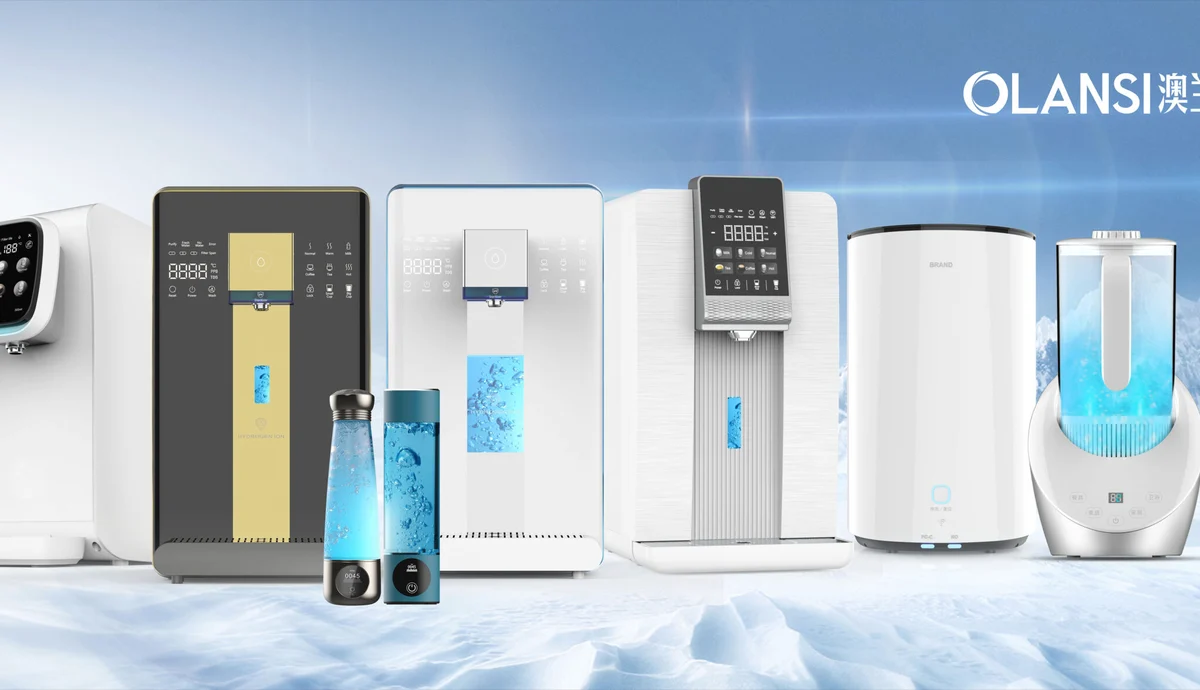
Production consistency requires an agreed configuration and controlled substitutions. Record the approved membrane, media, wetted components, electronics, software revision, and packaging details relevant to the product. Ask how proposed changes will be communicated and re-evaluated. The broader OEM/ODM water purifier manufacturing guide explains development and production planning; this buying checklist supplies the acceptance questions used to evaluate the resulting product.
Commercial terms should connect the first equipment order with the service program. Request model-specific minimum order quantities, sample charges, delivery milestones, spare-parts pricing, warranty responsibilities, and replacement-filter arrangements. Verify destination-market compliance for the actual branded configuration. Existing manufacturer documents may support the process, but buyers should not assume every customization or market is covered by the same approval.
How does the buying checklist change by application?
For a rented apartment with suitable municipal water and a taste complaint, begin by comparing filters with the relevant taste-and-odor claims. Prioritize a reversible installation, manageable refill weight, and affordable replacement cartridges. A complex RO dispenser may still suit the resident’s preferences, but its additional functions should justify the extra footprint, maintenance, and cost rather than being assumed necessary.
For a shared office, prioritize reliable service during breaks and clear maintenance ownership. Ask one person to simulate consecutive bottle fills while another checks access for cleaning and cartridge replacement. Compared with a household purchase, a workplace purchase should place greater weight on downtime, accessible support, and a simple written procedure that another employee can follow when the usual contact is absent.
For a distributor launching in several regions, divide the market by water conditions and installation constraints before choosing product variants. One exterior design may require different treatment configurations, electrical specifications, manuals, or service stock. A smaller range with documented suitability can be easier to support than a broad catalogue whose operating limits and replacement parts are unclear.
A final purchase record should preserve the quotation, approved configuration, performance documents, installation requirements, and maintenance schedule together. That record becomes the reference for delivery inspection and later service discussions. When two offers remain close, prefer the supplier that resolves unanswered technical questions in writing and makes ongoing support straightforward to verify.
What are the final questions before placing an order?
Is a purifier with more filtration stages always better?
More filtration stages are useful only when each stage contributes to a defined requirement. Compare verified reduction claims, usable capacity, pressure loss, and replacement expense. Several layers inside one cartridge may be marketed as multiple stages, so the advertised count is a weak basis for comparing different products.
Should a purifier add minerals after RO treatment?
Remineralization is an optional taste and water-composition choice that needs its own specification. Ask what the cartridge adds, how output changes over its service life, and whether the final configuration remains covered by relevant performance documentation. A mineral or alkaline claim should not substitute for evidence that the purifier addresses the original treatment target.
Can the same purifier serve a home and an office?
The same purifier can serve different settings when its operating limits, peak delivery, cleaning routine, and maintenance support match both uses. Office demand is often concentrated into short breaks, while household demand may be more spread out. Compare actual serving patterns and responsibility for upkeep instead of selecting capacity from headcount alone.
How can OLANSI support your next water purifier project?
OLANSI manufactures water purifiers and dispensers and offers OEM/ODM services covering engineering, branding, customization, and production support. Brands, importers, distributors, and project buyers can use the OLANSI OEM/ODM service overview to identify the assistance needed for an existing product platform or a customized development program.
Ready to build a water purifier range for your market? Contact OLANSI for a product catalogue, sample discussion, and project quotation. Include your destination country, source-water information, target treatment claims, dispensing requirements, expected order quantity, and branding needs. A clear brief helps the team discuss suitable configurations, current commercial terms, testing requirements, and a practical supply plan for both appliances and replacement filters.